Best Insurance for Electric Vehicle Drivers
With the surge in electric vehicle (EV) adoption, finding the right insurance that accommodates the unique aspects of these cars is vital.

Eddie Ochieng
Published Dec 5, 2025
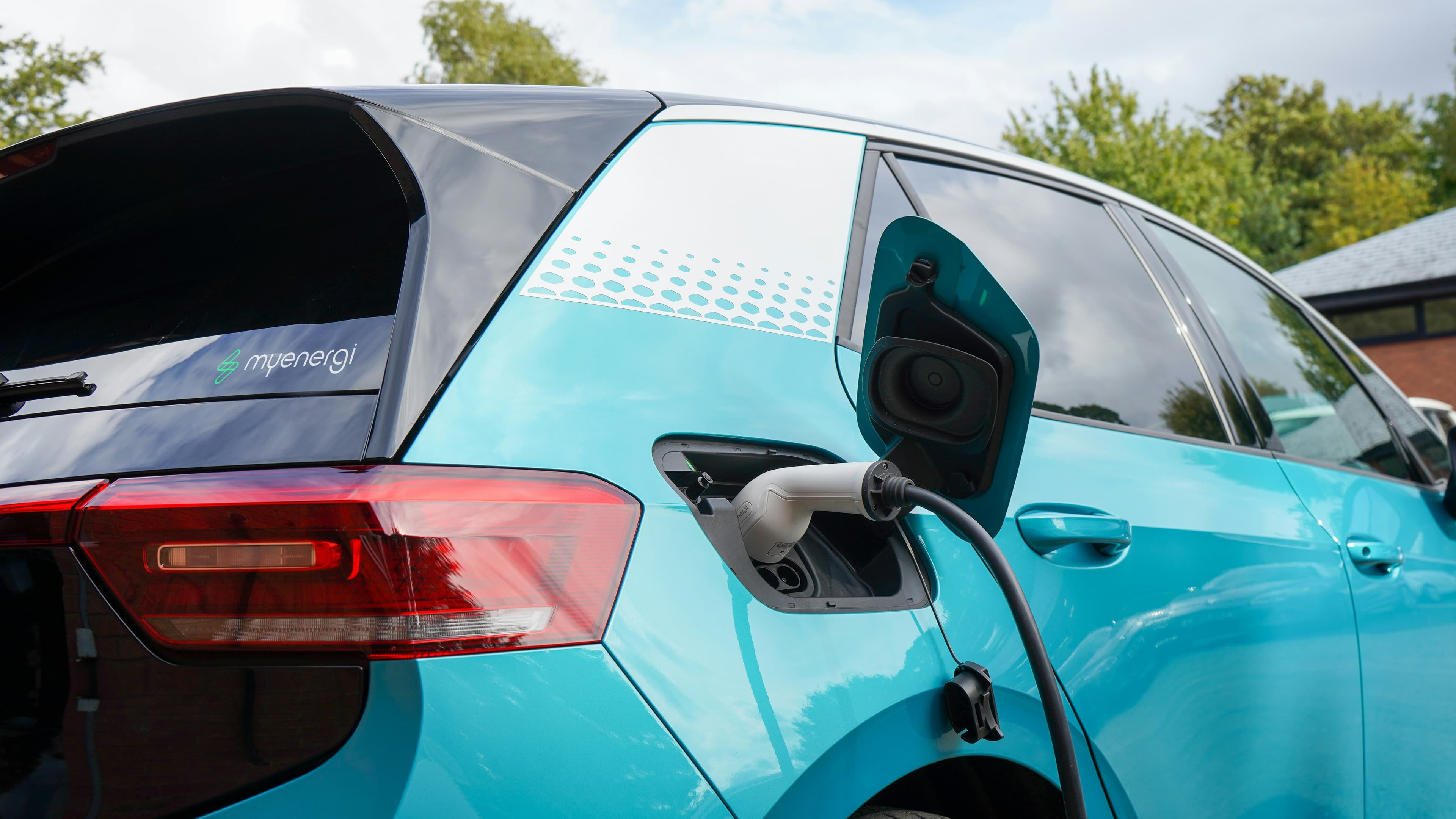
Image credit: Photo by myenergi on Unsplash
With the surge in electric vehicle (EV) adoption, finding the right insurance that accommodates the unique aspects of these cars is increasingly important. EV insurance often works similarly to traditional auto insurance but comes with the occasional distinct consideration. For instance, repairs on electric cars can be costlier due to specialized parts like high-capacity batteries. And, not all repair shops are equipped for EV repairs, which leads to longer downtimes.
Insurance for electric vehicles is heavily influenced by several factors like vehicle make and model, driving history, and location. Premiums can also be affected by the presence of advanced safety features in the EV, which have been shown to reduce accident frequencies. Additionally, state incentives can play a part in reducing overall insurance costs for electric vehicle drivers.
Unique Needs of EV Insurance
How EV Insurance Differs from Traditional Auto Insurance
Electric vehicle (EV) insurance has distinct differences from traditional auto insurance due to the advanced technology and components found in EVs. For instance, repairs on electric cars can be more expensive because they require specialized parts and labor. Not all repair shops are equipped to handle EV repairs, which can increase repair costs and times. Despite these possible challenges, some EVs benefit from advanced safety features, such as automatic emergency braking and lane-keeping assist. These can influence lower insurance premiums. Additionally, incentives for eco-friendly driving habits are becoming more prevalent among insurers.
Factors Influencing EV Insurance Rates
Several factors affect the insurance rates for electric vehicles:
- Vehicle Make and Model - Different EVs have varying costs for repairs and maintenance, affecting premiums.
- Driving History - A clean driving record can lower insurance rates.
- Location - Urban areas may see higher premiums due to increased traffic and accident statistics.
- Annual Mileage - Lower driving mileage can lead to lower insurance costs.
- Charging Infrastructure - Areas with a robust network of charging stations might have reduced insurance premiums since they facilitate easier access to charging.
Types of Coverage Essential for Electric Vehicles
Liability Coverage Considerations
Liability coverage is mandatory and protects you if you're at fault in an accident. While Florida has specific requirements for minimum coverage levels, it’s advisable for EV owners to opt for higher coverage limits. This is crucial because the specialized components and technology in EVs mean that repair and replacement costs can be significantly higher.
Importance of Collision and Comprehensive Coverage
Collision coverage is essential for covering damages to your vehicle after a collision, regardless of fault. Due to the expensive nature of EV repairs, this type of coverage is particularly crucial. Comprehensive coverage protects against non-collision incidents like theft or natural disasters—situations that may be more concerning given the investment in an electric car. Many EV owners choose both types to ensure complete protection.
Uninsured/Underinsured Motorist Coverage
Given the number of drivers who might lack sufficient insurance, uninsured/underinsured motorist coverage becomes especially crucial. This protects EV owners from out-of-pocket expenses if involved in an accident with an underinsured motorist, covering medical expenses and damages. This type of coverage is increasingly relevant as the number of electric vehicles on the road rises.
Discounts and Incentives Available for EV Owners
Exploring Green Vehicle Discounts
Many insurance companies are recognizing the environmental benefits of electric vehicles (EVs) and are offering specific discounts to EV owners. These green vehicle discounts are incentives aimed at promoting eco-friendly transportation options. If your electric car is equipped with advanced safety features like automatic emergency braking or adaptive cruise control, insurers may offer additional savings due to the reduced likelihood of accidents. It's advisable for EV owners to inquire about these discounts when seeking a new policy or renewing an existing one to take full advantage of potential savings.
State Incentives and Rebates for Electric Vehicle Owners
State incentives play a crucial role in reducing the overall costs of owning an electric vehicle. In states like Florida, there are various incentives, including tax credits, rebates, and programs for installing home charging stations. These incentives help offset the initial purchase price and further reduce the operating costs of EVs. By staying informed about the latest state programs and updates, EV owners can maximize their benefits, ensuring that the transition to electric vehicles is financially viable.
Bundling and Other Insurance Savings
Bundling your electric vehicle insurance with other policies can lead to significant savings. Many insurance providers offer discounts when you combine auto insurance with homeowners or renters insurance. This simplifies your insurance management and provides a cost-effective solution. Additionally, maintaining a clean driving record and reducing annual mileage can further reduce your premiums.
Choosing the Right Insurance Provider for EV Owners
Why You Should Research Insurance Companies
Selecting the right insurance provider is essential for getting the best coverage for your electric vehicle. Start by researching companies with a solid reputation for customer service and claims handling. Online reviews and ratings can provide insights into the experiences of other EV owners. Consulting with insurance agents who specialize in electric vehicles can also provide personalized recommendations based on your specific needs.
Comparing Quotes and Finding the Best Value
Once you have a list of potential insurance providers, request quotes from several companies. It's important to compare equivalent coverage options, paying close attention to both the premium costs and coverage limits. Investigating any special discounts or programs for EVs can uncover additional savings. Consider the long-term implications of your insurance choice as some providers offer loyalty programs or benefits for maintaining a claim-free record.
Considering Sustainability in Insurance Choices
Many insurance companies are beginning to focus on sustainability, offering green insurance options tailored for electric vehicle owners. These policies may include benefits like coverage for home charging stations or incentives for using renewable energy sources. By choosing a provider that aligns with your sustainability values, you could potentially save money as well as contribute to an environmentally friendly future.
Understanding Cost Factors and Myths About EV Insurance
Why Electric Cars Might Cost More to Insure
Electric vehicles (EVs) can come with higher insurance premiums compared to traditional internal combustion engine (ICE) cars. This is mainly because EVs often require expensive and specialized parts for repairs, such as high-capacity batteries. For instance, the cost of a replacement battery for a Tesla can exceed $5,999, depending on the capacity. Additionally, due to the niche nature of EVs, fewer repair shops have the experience or equipment needed to work on them, potentially raising labor costs.
Another reason is that many EVs are classified as luxury vehicles, thus carrying a higher price tag and insurance cost. Despite these factors, some EVs report fewer insurance claims than their ICE counterparts, potentially lowering insurance rates for models known to have fewer incidents.
Debunking Common Myths About EV Insurance
One common myth is that EV insurance is always more expensive. While the repairs can indeed be pricier, many insurers offer competitive rates, especially for EV models with fewer claims. Furthermore, insurers may provide discounts for safe driving, eco-friendly practices, or installing home charging stations, easing financial concerns.
Another misconception is that all insurance companies offer the same levels of coverage for EVs. In reality, some are more specialized and provide tailored policies that may cover unique aspects of EV ownership, such as battery and charging equipment insurance.
Preparing for Claims with Your EV Insurance
Documenting Incidents for Smooth Claims Processing
In the unfortunate event of an accident, proper documentation is crucial. Capture images of the accident scene, vehicle damage, road conditions, and any relevant traffic signs. Also, gather contact details from any witnesses and the insurance information of related parties. Keeping a comprehensive record of these details, including any EV-specific features, can support your claim and expedite the process.
Effective Communication with Your Insurance Provider
After documenting the incident, promptly contact your insurer. Provide them with all necessary information, including policy details and evidence from the accident. Maintaining clear and honest communication can help streamline the claims process. It’s beneficial to ask your insurance representative about the timeline for processing and any next steps, ensuring you stay informed throughout the procedure.
About the Author

Eddie Ochieng
Tech enthusiast who has been helping digitize insurance information. From insurance websites to information drives and sales pitch engineering, I've been around the insurance space for the last 7 years in some capacity.
Related Articles

Allstate vs State Farm
Explore coverage, rates, and customer reviews of Allstate and State Farm insurance options.

Eddie Ochieng
Jan 19, 2026

How to Report Insurance Fraud in Florida
Insurance fraud is a significant issue impacting consumers, insurers, and government agencies across the country.
Eddie Ochieng
Jan 19, 2026

Best Multi-Car Discounts in Florida
Finding the best multi-car insurance discounts in Florida can lead to significant savings on auto coverage
Eddie Ochieng
Jan 13, 2026