Cheapest Car Insurance for Students in Florida
Finding affordable car insurance for students in Florida can be a daunting task, largely due to the state's high insurance premiums.

Eddie Ochieng
Published Dec 1, 2025
Updated Dec 1, 2025
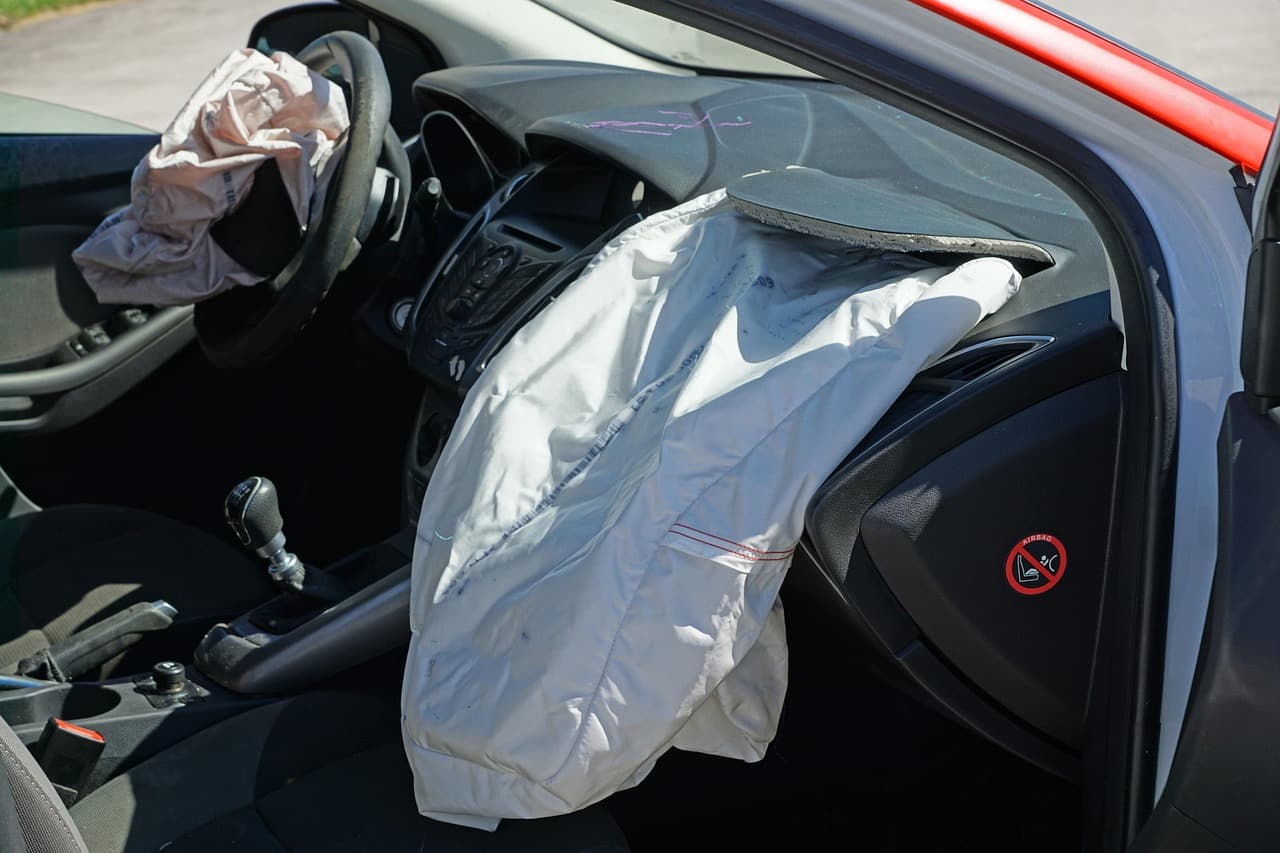
Image credit: Image by Marcel Langthim from Pixabay
Finding affordable car insurance for students in Florida can be a daunting task, largely due to the state's high insurance premiums. Florida's car insurance rates are among the highest in the US, with premiums rising due to severe weather, inflation, and the increase in theft and accidents in college towns. College students face even greater challenges due to their typically higher-risk profiles. However, there are some strategies that can help students save money. By exploring student discounts, comparing quotes from different providers, and considering options like liability-only plans, students can identify ways to get coverage without breaking the bank.
Importance of Affordable Car Insurance for Students in Florida
Insurance Needs for College Students in Florida
College students in Florida require car insurance that complies with state laws and also fits their unique financial situations. Given the high costs of tuition and living expenses, finding affordable car insurance is crucial. In Florida, students must have at least the minimum liability coverage required by the state. This insurance allows them to drive legally, helping them avoid hefty fines or legal issues. However, depending on the circumstances, additional coverage such as comprehensive or collision might be advisable, particularly if the student regularly commutes or uses their vehicle.
Students can also benefit from various discounts offered by insurers, such as good student discounts for maintaining a high GPA or mileage-based discounts, if they drive less frequently. These can lower premium costs, making insurance more accessible for students managing tight budgets.
Challenges Faced by Florida Students in Securing Affordable Insurance
Florida is known for having some of the highest car insurance rates in the United States, making it particularly challenging for students to find affordable options. The steep premiums are influenced by factors like extreme weather conditions, higher probability of accidents in populated areas, and elevated risk of car thefts. Florida's no-fault insurance requirement also adds a layer of complexity and expense.
Adding to these challenges, younger drivers are often categorized as high-risk due to their age and limited driving experience, which naturally results in higher premiums. Students who live in large college towns may face even higher insurance costs due to increased local risk factors like traffic congestion and vandalism. Hence, exploring every available discount and following strategies to reduce premiums becomes vital for students pursuing higher education in Florida.
Cheapest Car Insurance Providers for Students
Overview of Top Insurance Companies
For students aiming to find affordable car insurance in Florida, several leading providers offer competitive rates. State Farm and GEICO frequently top lists for providing cost-effective policies to students. These companies offer various discounts and coverage options tailored to meet the needs of young drivers.
- State Farm is noted for offering the cheapest liability-only insurance.
- GEICO offers the most affordable full coverage options.
Checking these companies out can provide students with valuable savings on their car insurance premiums.
State Farm - The Cheapest Liability-Only Option
State Farm stands out as the most affordable provider for liability-only car insurance for students in Florida, with an average annual rate of $1,521. This makes it a suitable choice for students who need to maintain legal coverage at the lowest cost. State Farm offers additional discounts, such as those for good driving habits and academic achievements, which can further reduce insurance costs for eligible students. The focus on affordability without sacrificing essential coverage makes State Farm a popular choice among Florida students.
GEICO - Most Affordable Full Coverage
GEICO provides the cheapest full coverage options, with costs averaging around $3,602 annually. While full coverage is more expensive, it offers broader protection by covering both liability and damages from accidents, theft, and natural disasters. It is ideal for students who use their cars more frequently or have vehicles with higher value. GEICO's full coverage plan includes additional features and discounts like good student discounts and vehicle safety discounts, which are beneficial for students looking to maximize their savings while ensuring extensive protection.
What Affects Insurance Costs for Students?
Impact of Age and Driving Record
Age and driving record play significant roles in determining car insurance costs for college students in Florida. Students between 18 and 22 are often considered higher risk drivers by insurance companies, which can lead to increased premiums. The likelihood of accidents and traffic violations is generally higher for younger, less experienced drivers. Consequently, maintaining a clean driving record without tickets or accidents can help students mitigate insurance costs significantly. Insurance providers like Progressive offer discounts to students with good academic records, which can also help reduce rates.
Location and College Town Traffic
Location is another critical factor affecting insurance premiums for students in Florida. College towns, which are usually densely populated, often see higher incidences of accidents and car thefts—leading to increased insurance costs. For instance, insurance rates in urban areas like Miami and Tampa are notably higher compared to less populated regions. Additionally, students who live on-campus might see fluctuations in their premiums based on campus crime statistics and traffic patterns. Using an insurer like GEICO or State Farm, which have competitive rates in high-traffic areas, can be beneficial.
How to Reduce Car Insurance Costs
Utilizing Student Discounts and Offers
Students can take advantage of numerous discounts to lower their car insurance premiums. Many insurers provide a "good student" discount, which offers savings if a student maintains a specific GPA level, typically a 3.0 or higher. Discounts are also available for students who complete safe driving courses or are affiliated with certain organizations, like honor societies. Insurers like Progressive provide discounts for young drivers who are under certain age limits and maintain good grades.
Vehicle Safety Features
Investing in vehicle safety features can also reduce car insurance premiums. Features like anti-theft systems, GPS tracking, and advanced safety technologies can decrease the risk of theft and accidents, which in turn, lowers insurance costs. Students driving cars equipped with such features tend to receive lower rate offers from insurance companies, considering the reduced risk factor.
Benefits of Low-Mileage and Safe Driving
Students who drive fewer miles annually may qualify for low-mileage discounts. These policies can be especially beneficial for those who only use their vehicles occasionally, as low mileage significantly reduces the risk of accidents. Additionally, programs like Progressive’s Snapshot use apps or devices to track driving habits, offering personalized rates based on safe driving patterns. Maintaining cautious driving habits can lead to substantial savings, as insurers are willing to lower premiums for drivers who demonstrate low-risk behavior on the road.
Staying on Family Policies vs. Individual Insurance
Pros and Cons of Staying on a Parent’s Policy
Staying on a parent’s auto insurance policy can be beneficial for college students in Florida. One of the most significant advantages is cost-effectiveness. Sharing a policy typically results in lower overall premiums, as you're splitting the cost of coverage. Additionally, young drivers often receive better rates under their parents’ plans due to bundled discounts and the parents' established driving history, which lowers perceived risk. Another advantage is convenience; managing a single policy is easier, and students are covered when driving family cars during breaks or vacations.
However, there are also limitations. If the student moves permanently to a different state or their car is mostly parked at school, insurers usually require them to have their own policy. The insurance would need to reflect the different risk factors associated with the student’s primary residence and driving environment.
Scenarios Requiring Individual Student Policies
There are specific situations where a student must have their own car insurance policy. If a student establishes a permanent residence apart from their parents and brings their vehicle with them, it necessitates a new policy. This requirement ensures that the insurance accurately reflects the student's primary location and driving habits. Additionally, if the car is parked in a different state where the risk factors vary, insurers may mandate a separate policy. International students studying in the U.S. must secure their own insurance valid in the country, as their home country’s policy won't provide coverage. Additionally, students living in areas with lower insurance costs than their parents' residence might find it financially advantageous to secure their own policy.
Understanding these scenarios can help students make informed decisions about their car insurance needs, ensuring adequate and affordable coverage.
About the Author

Eddie Ochieng
Tech enthusiast who has been helping digitize insurance information. From insurance websites to information drives and sales pitch engineering, I've been around the insurance space for the last 7 years in some capacity.
Related Articles

Allstate vs State Farm
Explore coverage, rates, and customer reviews of Allstate and State Farm insurance options.

Eddie Ochieng
Jan 19, 2026

How to Report Insurance Fraud in Florida
Insurance fraud is a significant issue impacting consumers, insurers, and government agencies across the country.
Eddie Ochieng
Jan 19, 2026

Best Multi-Car Discounts in Florida
Finding the best multi-car insurance discounts in Florida can lead to significant savings on auto coverage
Eddie Ochieng
Jan 13, 2026