Understanding Car Insurance: A Comprehensive Guide for Professionals
Car insurance is a critical component of risk management for vehicle owners, offering financial protection against accidents, theft, and other unforeseen events.

Eddie Ochieng
Published Jan 1, 1970
Updated Nov 29, 2025

Image credit: Photo by Unsplash
Car insurance text is a critical component of risk management for vehicle owners, offering financial protection against accidents, theft, and other unforeseen events. In Florida, where unique factors such as high traffic density, severe weather conditions, and no-fault insurance laws come into play, understanding the intricacies of car insurance is essential for professionals in the insurance industry. This guide explores the fundamentals of car insurance, regulatory considerations in Florida, emerging industry trends, and best practices for policy selection and claims management.
The Basics of Car Insurance
Car insurance policies are designed to mitigate financial losses arising from vehicular incidents. Coverage typically includes:
- Liability Insurance – Covers damages to other parties in accidents where the policyholder is at fault. This includes bodily injury and property damage liability.
- Collision Coverage – Pays for repairs to the insured vehicle after an accident, regardless of fault.
- Comprehensive Coverage – Protects against non-collision incidents such as theft, vandalism, or natural disasters.
- Personal Injury Protection (PIP) – Mandatory in Florida, PIP covers medical expenses for the policyholder and passengers, irrespective of fault.
- `text`Uninsured/Underinsured Motorist Coverage – Provides protection if the at-fault driver lacks sufficient insurance.
Each coverage type serves a distinct purpose, and professionals must assess client needs to recommend appropriate policies.

Florida’s Unique Car Insurance Landscape
Florida operates under a no-fault insurance system, meaning drivers must carry PIP coverage, which pays for their own medical expenses after an accident, regardless of fault. Key aspects of Florida’s car insurance regulations include:
- Minimum Coverage Requirements: Florida mandates $10,000 in PIP and $10,000 in Property Damage Liability (PDL). Unlike many states, Florida does not require Bodily Injury Liability (BIL) unless the driver has a history of accidents or DUIs. - High Risk Factors: Florida’s dense urban areas, tourist traffic, and hurricane risks contribute to higher-than-average premiums. - Fraud Concerns: The state has historically faced issues with staged accidents and inflated claims, prompting legislative reforms such as stricter PIP regulations.
About the Author

Eddie Ochieng
Tech enthusiast who has been helping digitize insurance information. From insurance websites to information drives and sales pitch engineering, I've been around the insurance space for the last 7 years in some capacity.
Related Articles

What PIP Covers in Florida (And What It Doesn’t)
Navigating the world of insurance can be tricky, especially when it comes to understanding Personal Injury Protection (PIP) coverage in Florida.

Eddie Ochieng
Dec 5, 2025
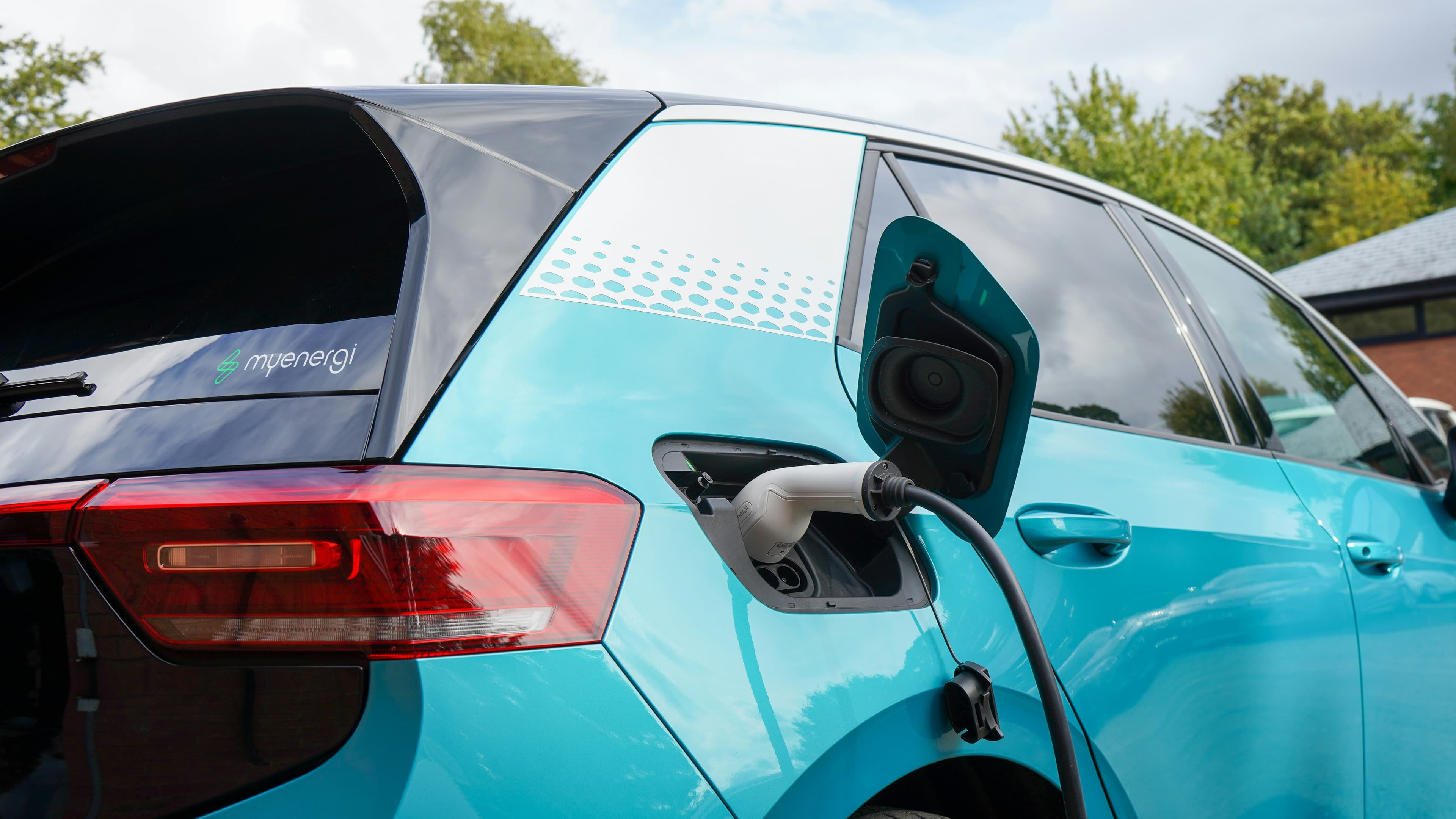
Best Insurance for Electric Vehicle Drivers
With the surge in electric vehicle (EV) adoption, finding the right insurance that accommodates the unique aspects of these cars is vital.
Eddie Ochieng
Dec 5, 2025

Best Car Insurance for Seniors In Florida (2025)
Navigating the world of car insurance as a senior in Florida can be challenging due to the state's notably high insurance premiums.
Eddie Ochieng
Dec 2, 2025